Personas say what each group values
Impulse adds how each group decides, the tone that lands, what they need to hear, and whether an idea still works under pressure.
Impulse Engine adds a short trade-off exercise to a study you are already running. It reads the motivation behind each choice and turns it into the tone, the offer and the words each group answers to, on top of your personas, your brand tracker or your concept and communication tests.
Impulse adds how each group decides, the tone that lands, what they need to hear, and whether an idea still works under pressure.
Impulse adds the message that would move each group one step closer: the partial customer who could walk, and the non-customer already drawn to you.
Impulse adds who it scores with and why, how to position it for each group, and whether the score holds in the moment of choice.
Two people buy the same cold brew. One wants the taste and the moment. The other wants it cheaper than the café and without the queue. They give the concept the same score, and the message that wins one of them loses the other.
Most segmentations describe who people are or what they say they value. Impulse Engine reads the motivation driving the choice, and it treats that motivation as a state rather than a fixed type, because the same person can choose differently when the moment changes. That is the layer that decides how to say something, once your other research has told you what to say and to whom.
Four personas from a coffee study, each with its own motivational profile. Pick a product and read the message each group would answer to. Nothing to fill in: this is what the motivational layer hands a marketing team.
“The same Ferrow taste you rely on, in pods that go in the home compost. Nothing else changes.”Modelled
“Every pod back to the soil. The coffee you choose finally matches what you stand for.”Modelled
“Under a dollar a cup, and the pods go straight in the compost bin. No extra effort.”Modelled
“The pod disappears when you are done. The cup stays with you.”Modelled
Illustrative study. Simulated respondents for Ferrow Coffee Co., a fictional brand, with prices in US dollars. The engine that produced it is the one we run on client studies. Purchase intent is measured in the study; the messages are written from each persona's motivational profile and labelled Modelled.
The full demo goes further, with concept reads, claims, price and a persona you can question: open the Ferrow Persona Engine demo →
A driver-based persona tells you what moves the outcome for each group. The motivational layer adds the part a creative team needs next: how the group decides, the tone and offers that work, and what it needs to hear.
43% of buyers. The largest group and the least loyal. Price and convenience are the levers; emotional appeals barely register.
What drives their loyalty mostUseful for deciding what to offer. Silent on how to say it, and on whether the group holds its view when something goes wrong.
People do not choose in the calm state they answer surveys in. A rush, a stock-out or a price rise can change what someone wants. So every concept is read twice: at rest, and with each buyer's dominant motivation under pressure.
For Experience Enthusiasts, the Cold Brew Can moves most: it drops from 78% appeal at rest to 62% under pressure. Lines in brighter text move by five points or more.
A stress test, not a forecast. It shows which ideas are robust for a group and which only work when nothing is going wrong. Shifts under five points are within noise. Simulated respondents for a fictional brand; the reads are labelled Modelled.
Two climbers on the same route, with the same racing heart. One feels excitement, the other anxiety. The difference is not the climb but the motivation each brings to it. That observation, from Greg Streatfield's Honours research, is where Impulse Engine started. Read the origin story →
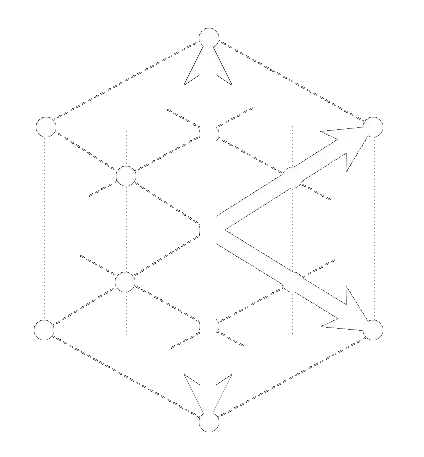
Only one side of a pair drives a choice at any moment, so each pair is read as a contrast rather than two separate scores. Every person, and every persona, gets a primary state, which sets what the message is about, and a secondary state, which decides how it is finished.
Meaning over momentum
Sensation over strategy
Stability over novelty
Reinvention over convention
Progress over comfort
Belonging over winning
Return over sentiment
Ripple over return
The four pairs, the language each state answers to, and why the same purchase can be made for opposite reasons.
Messaging is the obvious use. The same lens also shapes how a product or service is introduced. In a second worked example, a fictional retail bank wants more customers to make it their main bank. The personas say what each group needs; the motivational layer says how to bring it to them.
They plan ahead and want to know exactly where they stand. Feeling in control, guidance and security build the relationship.
“This gets you further. And faster.”
Aspirational. Ambitious. Validating.
Everything through the app, and fast. They rarely want a person; problems fixed first time and rewards carry the weight.
“This isn’t for everyone. And that’s the point.”
Defiant. Smart. Unfiltered.
The largest group and the least committed. Breathing room in a tight month, fair fees and an early warning matter most.
“This is smart. It gets you more, with less effort.”
Precise. Competitive. Outcome-forward.
The most committed. A person who knows them when something goes wrong, being recognised and fair treatment keep them.
“We understand you. We’ve been there. You’re not alone.”
Warm. Honest. Familiar.
Share of customers who get at least two of their own three most-wanted needs. That gain comes from the needs map. The motivational layer decides how each version is introduced, in what tone and with what promise.
Illustrative study. Simulated customers for Wrenfield Bank, a fictional bank. The needs are measured in the study; the tone and wording are written from each persona's motivational profile and labelled Modelled.
No separate survey. The trade-off exercise sits in your questionnaire, alongside the persona, tracker or test questions, and your supplier fields it as usual.
About three minutes. Respondents pick the statement most and least like them from short sets, written for your category. Forced choices give a clear ranking where rating scales let people agree with everything.
Nothing else about the study changes. Your supplier programs it as one more block of questions.
Every respondent gets a profile across the eight states, joined to your personas, tracker segments or test cells, and each group gets its messaging brief.
The motivational layer needs the trade-off exercise in the questionnaire, so it cannot be added to data collected without it. Already have personas? The Upgrade route adds the layer to the personas you use today. See the three routes on the Persona Engine page →
The coffee and bank studies are simulated, for fictional brands, so you can see the output without anyone's client data. The engine that produced them is the one we run on client studies.
What respondents said or did in the study is labelled Measured. Messages, tone and the under-pressure reads are written from the motivational profile and labelled Modelled. Client reports carry the same labels.
The profile describes what drives a choice in a setting, not a fixed type. Tailored wording is a hypothesis to test in market, on real people. We don't present any of the examples here as evidence that it lifts sales.
Five quick tasks from the same exercise, about two minutes. Your primary state shows on screen straight away. Email is optional, if you want the full profile sent to you.
The motivation driving a choice. A short trade-off exercise places each person across eight motivational states in four opposing pairs: Purpose and Experience, Traditional and Disruptive, Achievement and Connection, Self-Gain and Collective Impact. Each person, and each persona or segment, gets a primary state, which sets what a message should be about, and a secondary state, which decides how it is finished.
No. A personality test describes a fixed trait. Impulse Engine describes the motivation behind a choice in a setting, and the same person can lean the other way when the situation changes. That is why we read each pair as a contrast, and why concepts and messages are read both at rest and under pressure.
It can, as a motivational segmentation. It does most when it sits on top of something that already tells you what to say and to whom: driver-based personas from Persona Engine, the commitment segments from Resonance Engine, or the cells of a concept or communication test.
About three minutes: a short trade-off exercise where people pick the statement most and least like them from small sets, written for your category. It has to be in the questionnaire, so it cannot be added to data collected without it.
Psychographics capture how people describe their attitudes and lifestyle, and rating scales let them agree with everything. Impulse Engine forces trade-offs between motivations, so it ranks what drives the choice, and it attaches the language that works to each state.
We use simulated data, as on this page, to show what the output looks like, and we label it as simulated. Client findings come from real respondents.
Bring a persona set, a tracker or a test you are planning. In 30 minutes we'll show where the trade-off exercise would sit, what it would add, and what the brief for each group would look like.
The booking calendar is provided by Cal.com. Opening it loads content from Cal.com and may set third-party cookies.
30 minutes · Video call · With Greg Streatfield, founder of Knowsis
Prefer email? Send us a message