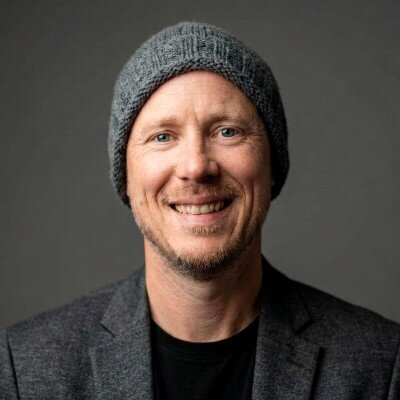
It started with whiskey. Back in university, my wife was doing promotions work, and I was constantly intrigued by something I couldn't explain: why would someone be fiercely loyal to J&B when Bell's was sitting right there at the exact same price point? Same category, same shelf, same moment of choice – yet people would reach for their brand without a second thought.
That question – what drives brand relationships? – pulled me into market research, where I could leverage my psychology and cognitive science background to find answers.
Those early ideas never left me. Through senior roles at TNS/Kantar, Ogilvy, and dunnhumby – where I built customer analytics for Shoprite, Africa's largest retailer, validated against transaction data – I kept returning to the same conviction: mindset predicts behaviour better than demographics.
Knowsis was born from wanting to develop my own frameworks rather than selling other people's. The Data Alchemy Framework, the Resonance Engine, the Catalyst, the Impulse Engine – these are the tools I wished existed when I was trying to answer that whiskey question all those years ago.
Since 2025 most of the work has been predictive personas: building them on the drivers of an outcome rather than on demographics, validating them on held-out people, and making them something a team can question. The method was published in Greenbook in September 2026 and tested in public on Columbia's Twin-2K-500 dataset. The writing on where personas and digital twins can and cannot be trusted is on Substack.